Weighted Blankets for Autism: Complete Guide to Benefits, Safety & Selection (2025)
What Is a Weighted Blanket?
A weighted blanket (also called a sensory blanket or gravity blanket) is designed to apply gentle, even pressure across your body. Unlike regular blankets, these contain weighted materials—typically glass beads or cotton—sewn into small pockets throughout the fabric. This creates consistent deep pressure stimulation (DPS) that mimics the feeling of a firm hug.
How Deep Pressure Touch Works
The therapeutic effect comes from proprioceptive input—your body’s ability to sense pressure, position, and movement through muscles and joints. When the weighted blanket applies steady pressure, it sends calming signals to your nervous system.
For many autistic individuals who experience proprioceptive dysfunction, this pressure helps them feel more grounded and aware of their body in space. The sensation is similar to being held or swaddled, which explains why many find it deeply comforting.
The Neurochemical Response
Deep pressure touch triggers several beneficial changes in your body:
Serotonin Release: The pressure stimulates serotonin production, a neurotransmitter that regulates mood and behavior. Your body then converts serotonin into melatonin, the hormone that controls sleep-wake cycles. This direct connection explains why weighted blankets often improve both mood and sleep quality.
Oxytocin Production: The blanket’s pressure prompts oxytocin release—the “bonding hormone” associated with feelings of security, warmth, and connection. This creates a hug-like sensation without requiring actual physical touch, making it ideal for those who find human contact overwhelming.
Parasympathetic Activation: The weight activates your parasympathetic nervous system, which controls rest and relaxation. This leads to measurable reductions in heart rate, blood pressure, and cortisol (your primary stress hormone).
These combined effects create a holistic calming response that addresses multiple aspects of autism-related challenges simultaneously.
Key Benefits for Autistic Individuals
Better Sleep Quality
Sleep disorders affect many autistic people and can worsen other developmental and behavioral challenges. Research shows weighted blankets increase time spent in deep sleep and improve overall sleep patterns. Better sleep leads to improvements in mood, behavior, and overall health.
Anxiety and Stress Reduction
Anxiety commonly co-occurs with autism. The deep pressure from weighted blankets provides comfort and security that helps calm your nervous system. By reducing cortisol levels and activating relaxation responses, the blanket alleviates stress and unease.
Sensory Processing Support
Many autistic individuals struggle with sensory processing. Weighted blankets deliver calming sensory input that helps regulate your sensory system and improves processing capabilities. The consistent pressure provides predictable sensory feedback that many find organizing and grounding.
Meltdown Prevention and De-escalation
The calming influence of deep pressure can be highly effective during sensory overload. Parents consistently report that weighted blankets help prevent meltdowns or reduce their intensity when they do occur. Having this tool available during challenging moments provides both comfort and regulation support.
Security Without Touch
For those who dislike or feel overwhelmed by physical hugs and touch, weighted blankets offer an alternative way to experience security and comfort. The blanket provides consistent, predictable pressure that feels safe and controllable—you can remove it whenever you want.
The Cascading Effect
These benefits interconnect and reinforce each other. Improved sensory processing leads to better self-regulation, which reduces anxiety and prevents meltdowns. Less anxiety improves sleep quality, and better sleep enhances overall functioning. This creates a positive feedback loop where addressing sensory dysregulation benefits multiple areas of well-being simultaneously.
| Benefit | How It Works | Impact |
| Better Sleep | Increases deep sleep duration; promotes melatonin production | Improved mood, behavior, and health |
| Reduced Anxiety | Calms nervous system; lowers cortisol; provides security | Less stress and worry |
| Sensory Regulation | Delivers calming proprioceptive input | Better processing and grounding |
| Meltdown Prevention | Grounds and calms during overload | Fewer or less intense episodes |
| Safe Security | Provides hug-like comfort without touch | Control and comfort combined |
Choosing the Right Weighted Blanket
Calculating the Correct Weight
The most important guideline: choose a blanket weighing 10-15% of the user’s body weight. Some experts recommend adding 1-2 pounds to this calculation for optimal comfort.
This range ensures effective deep pressure without being uncomfortable or restrictive. A blanket that’s too light won’t provide therapeutic benefits. One that’s too heavy can feel constraining or even unsafe.
Weight Calculation Examples:
| Body Weight | Recommended Blanket Weight |
| 50 lbs | 5-8 lbs |
| 75 lbs | 8-11 lbs |
| 100 lbs | 10-15 lbs |
| 150 lbs | 15-23 lbs |
| 200 lbs | 20-30 lbs |
Calculate precisely rather than estimating. This guideline is critical for both safety and effectiveness.
Size and Coverage Matters
Blanket size significantly impacts comfort and therapeutic benefits. Too small means inadequate coverage and inconsistent pressure distribution. Too large becomes cumbersome and uncomfortable.
Select a size that fits the user’s body comfortably, without hanging excessively over the bed edges. For children, consider their current size plus some room to grow, but don’t buy excessively large thinking they’ll “grow into it.”
Fabric Selection for Sensory Comfort
Fabric choice extends beyond aesthetics—it directly addresses sensory sensitivities common in autism. An irritating, scratchy, or heat-trapping material can negate all the calming benefits and potentially trigger sensory overload.
Best fabric options:
- Cotton: Breathable, soft, hypoallergenic, and durable
- Bamboo: Naturally cooling, moisture-wicking, and silky-smooth
- Minky: Plush and soft, though can trap heat
- Cooling fabrics: Specifically designed to prevent overheating
Avoid synthetic materials that don’t breathe well or have rough textures. Natural fibers generally work best for sensory-sensitive individuals.
Safe Filling Materials
Safety-critical warning: Always verify the blanket uses non-toxic fillings. Choose blankets filled with:
- Glass beads (most popular, durable, and effective)
- Plastic poly pellets (lighter, though may shift more)
- Cotton batting (natural but less common)
Absolutely avoid: Any blanket containing lead or other toxic materials. Unfortunately, some manufacturers have used harmful substances, so research products thoroughly before purchasing.
Individual Sensory Preferences Come First
While guidelines provide a starting point, individual preferences ultimately determine success. Some autistic individuals prefer heavier or lighter weights than recommended. Others have strong preferences about fabric texture, temperature, or size.
Adaptation process tips:
- Start with general guidelines, then adjust based on response
- Expect trial and error—this is normal
- Watch for signs of comfort or distress
- Be flexible and willing to try different options
- Consider a trial period or return policy when purchasing
The autism spectrum encompasses wide neurodiversity. Sensory responses vary significantly between individuals, so personalization is essential.
Modern Design Features
Today’s weighted blankets include specialized features developed with input from occupational therapists and real-world user feedback:
Neck Cut-Outs: Curved designs that fit over shoulders and chin without covering the head, particularly helpful for children with sensory sensitivities.
Machine-Washable Covers: Removable, washable covers address hygiene and maintenance concerns, making regular cleaning easy.
Compression Sheets: Lighter alternatives that apply over regular blankets, providing compression with less weight.
Daytime Drapes: Versatile, lighter options designed to drape over shoulders during the day or for naps, extending benefits beyond nighttime sleep.
Box-Stitched Construction: Keeps filling evenly distributed and prevents bunching or shifting to one area.
These features reflect the evolution from generic products to specialized therapeutic tools designed for specific autism-related needs.
Safety Guidelines and Best Practices
Who Should Use Weighted Blankets
Safe for:
- Children over 2-3 years old (consult pediatrician for younger children)
- Individuals who can independently remove the blanket
- People without respiratory, cardiac, or circulation issues
- Those who don’t have claustrophobia or panic responses to pressure
Use with caution or avoid for:
- Infants and very young toddlers
- Anyone with breathing difficulties, asthma, or sleep apnea
- Individuals with circulatory problems
- People with temperature regulation issues
- Those who cannot move the blanket off themselves
Always consult healthcare providers or occupational therapists before introducing a weighted blanket, especially for children or individuals with medical conditions.
Introduction and Use Tips
Gradual introduction works best:
- Start during calm times: Introduce the blanket during quiet, positive activities like reading or watching a favorite show
- Begin with short periods: Use for just 5-10 minutes initially
- Always supervise first uses: Watch for comfort, breathing, and temperature
- Gradually increase time: Add minutes as comfort increases
- Ensure easy removal: The person must be able to push the blanket off independently
- Monitor temperature: Check that the person doesn’t overheat
- Respect preferences: If someone dislikes the blanket, don’t force it
During use:
- Never cover the face or head
- Don’t use as punishment or restraint
- Provide breaks and alternatives
- Watch for signs of distress or discomfort
- Adjust weight or size if needed
Important Limitations to Understand
Weighted blankets are not universal solutions. Response varies significantly among autistic individuals. Some find them incredibly calming and beneficial. Others may feel trapped, overheated, or uncomfortable.
This variation is normal and reflects the neurodiversity within autism. Trial and careful observation help determine if a weighted blanket is right for a specific person.
If someone doesn’t respond positively, consider alternatives like weighted vests, lap pads, compression clothing, or other sensory tools.
Frequently Asked Questions
How do weighted blankets help sensory regulation in autistic children?
They provide deep-pressure input across the body, which calms the nervous system, improves body awareness, and reduces sensory overload during quiet routines or transitions. The consistent pressure gives the sensory system organizing input that many autistic children find regulating.
What weight should I choose for an autistic child’s weighted blanket?
Consult an occupational therapist for personalized guidance. Most start around 10% of the child’s body weight or slightly less, ensuring the child can remove the blanket independently. Never choose a weight that restricts movement or makes removal difficult.
Is a weighted blanket safe for my child to sleep with?
Start with supervised quiet time to assess comfort and safety. Never use with infants. Use caution with children who have respiratory, cardiac, seizure, or temperature-regulation issues. Follow therapist recommendations and manufacturer guidelines. The child must be able to remove the blanket without help.
How do I introduce a weighted blanket to support sensory regulation?
Begin with short 5-10 minute sessions during calm activities. Observe breathing and comfort carefully. Increase duration gradually over days or weeks as tolerance builds. Stop immediately if you notice distress, overheating, or resistance. Make it a positive, pressure-free experience.
What materials are best for autistic children with sensory sensitivities?
Choose breathable, hypoallergenic, machine-washable fabrics with evenly distributed fill (glass beads work well). Consider removable covers so you can match tactile preferences. Natural fibers like cotton or bamboo typically work better than synthetic materials for sensory-sensitive individuals.
Do all autistic individuals benefit from weighted blankets?
No. Responses vary widely based on individual sensory profiles and preferences. Some find them deeply calming and essential for sleep or regulation. Others don’t tolerate the sensation or find no benefit. Introduce gradually, observe reactions carefully, and personalize usage under professional guidance. There’s no shame in discovering it’s not the right tool for a particular person.
Can weighted blankets help during meltdowns?
They can help prevent meltdowns by providing regulation throughout the day or during early signs of overload. During an active meltdown, introducing a weighted blanket may not be helpful and could increase distress. Use them proactively for regulation rather than reactively during crisis moments. Every individual is different, so observe what helps in your specific situation.
How long can someone safely use a weighted blanket?
For sleep, follow your doctor’s or therapist’s recommendations. Many people use them throughout the night without issues. For daytime use, sessions of 20-30 minutes are common, though this varies by individual. Take breaks, monitor comfort, and adjust based on response. There’s no single “right” duration—individual needs vary.
Step-by-Step: How to Choose Your Weighted Blanket
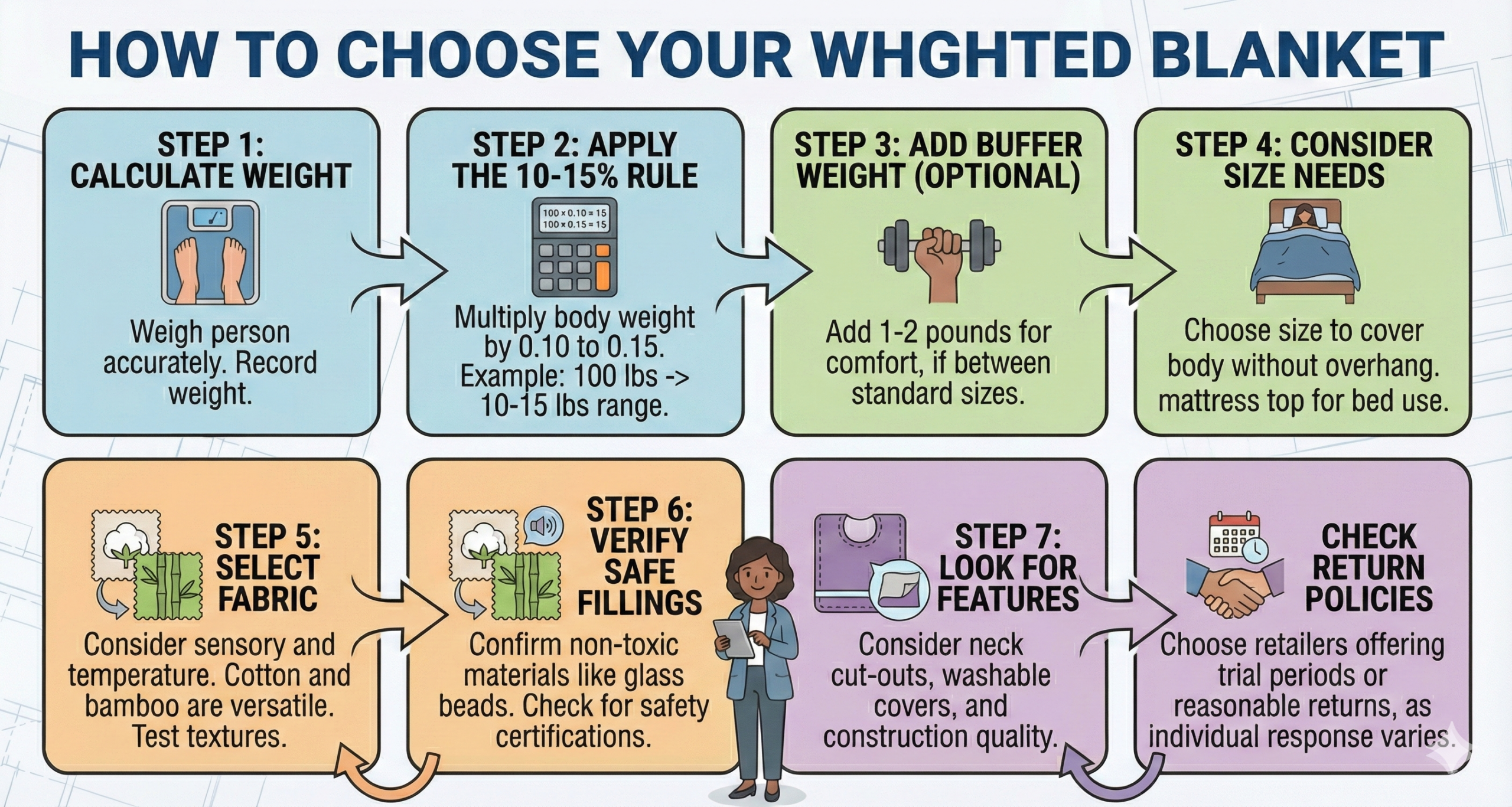
Step 1: Calculate Body Weight Weigh the person who will use the blanket. Use an accurate scale and record the weight.
Step 2: Apply the 10-15% Rule Multiply body weight by 0.10 to 0.15 to get the target weight range. Example: 100 lbs × 0.10 = 10 lbs (minimum) | 100 lbs × 0.15 = 15 lbs (maximum)
Step 3: Add Buffer Weight (Optional) Some experts recommend adding 1-2 pounds to the calculated weight for comfort, especially if the person is between standard blanket weights.
Step 4: Consider Size Needs Choose a size that covers the body without overwhelming it. For bed use, the blanket should cover the mattress top without hanging far over edges.
Step 5: Select Appropriate Fabric Consider sensory preferences and temperature regulation needs. Cotton and bamboo work well for most people. Test texture preferences if possible.
Step 6: Verify Safe Fillings Confirm the blanket contains non-toxic materials like glass beads or cotton. Check for safety certifications and third-party testing.
Step 7: Look for Helpful Features Consider neck cut-outs, removable washable covers, and construction quality. These features enhance long-term usability and comfort.
Step 8: Check Return Policies Since individual response varies, choose retailers offering trial periods or reasonable return policies.
Making Weighted Blankets Work for You
Weighted blankets represent a valuable non-pharmacological tool for many autistic individuals. The science behind deep pressure touch provides a solid foundation for their therapeutic applications, involving serotonin, melatonin, and oxytocin release alongside parasympathetic nervous system activation.
Success depends on informed selection. Appropriate weight calculation, correct sizing, comfortable breathable fabrics, safe filling materials, and attention to individual sensory preferences all contribute to positive outcomes.
Understanding both the science and practical considerations empowers you to make decisions that can significantly enhance well-being and quality of life. While responses vary, weighted blankets offer meaningful support for many people on the autism spectrum.
The key is approaching them as one tool in a comprehensive support toolkit, personalizing choices based on individual needs, and maintaining realistic expectations about their role in overall autism support strategies.
Additional Resources
Related Articles:
- Best Weighted Blankets for Autistic Children (2025 Reviews)
- Sensory Processing Guide for Autism
- Understanding Autism Sleep Issues
- Weighted Vests vs. Weighted Blankets: Which is Better?
- Creating a Sensory-Friendly Bedroom
Professional Consultation: Consider consulting with an occupational therapist specializing in autism and sensory processing for personalized weighted blanket recommendations and introduction strategies.
Safety Resources:
- Consumer Product Safety Commission guidelines
- Autism-specific safety organizations
- Product testing and certification information
This guide provides educational information and should not replace professional medical advice. Always consult healthcare providers or occupational therapists for personalized recommendations regarding weighted blanket use for autism.
Last updated: December 2025
Discover more from Living with Autism
Subscribe to get the latest posts sent to your email.


Thank you for sharing the benefits of weighted blankets. Although it may not be suitable for everyone and the response may vary. I’ve never tried that on my daughter but would ask her what she thinks of using one. She may tell me she would find it too heavy or hot for her. I really don’t know. I would use one for myself even.