17 Sensory-Friendly Recipes That Transform Mealtime for Children with Autism
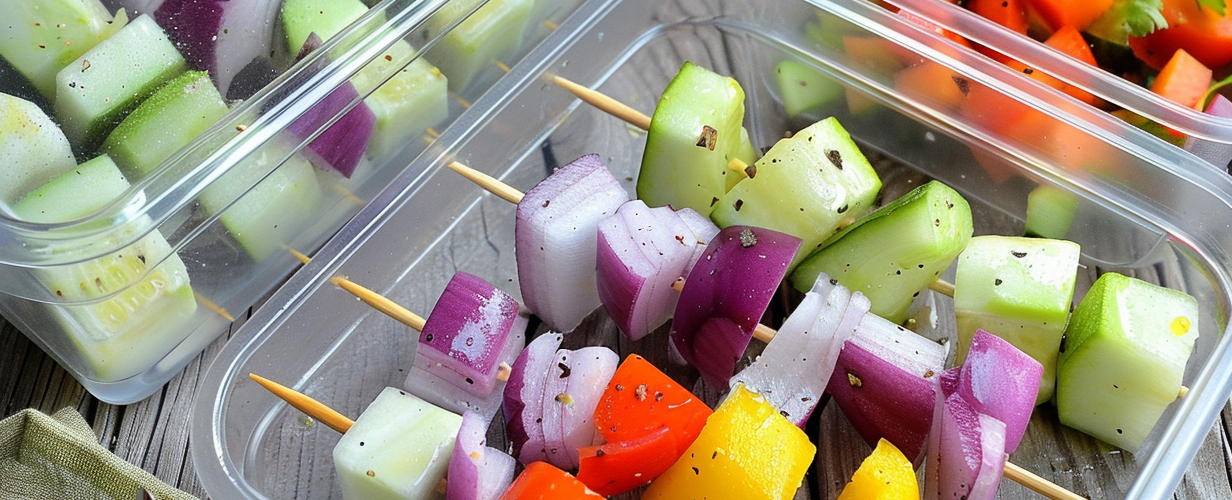
Discover sensory-friendly recipes. These recipes address texture, temperature, and taste sensitivities. They also create positive mealtime experiences and boost nutrition for your autistic child.
Understanding Sensory Processing and Food Challenges in Autism
For many families with autistic children, mealtime can be one of the most challenging parts of the day. What seems like “picky eating” is often a complex sensory processing difference. It makes certain food textures, temperatures, smells, or even colors overwhelming or uncomfortable. Research reviews describe food selectivity as very common in autistic children, although estimates vary widely between studies (Cermak, Curtin and Bandini, 2010). Texture is one of the most frequently reported concerns.
Children with autism often have heightened sensory experiences. What neurotypical individuals may find barely noticeable—such as the slight crunch of a vegetable—can feel overwhelming or even painful. The mixed textures in a casserole can also be overwhelming or painful. This isn’t stubbornness or behavioral issues; it’s a neurological difference in how sensory information is processed.
Understanding these challenges is the first step toward creating positive food experiences. That’s where sensory-friendly recipes are helpful. These are carefully designed meals that respect sensory needs. They also gradually expand food acceptance and ensure proper nutrition.
How These Sensory-Friendly Recipes Address Common Food Aversions
Each recipe in this collection has been developed with specific sensory considerations in mind:
- Texture consistency: Recipes that maintain consistent textures without unexpected bits or mixed consistencies
- Temperature regulation: Meals that can be served at moderate temperatures, avoiding extremes
- Flavor progression: Gentle introduction of new flavors paired with accepted tastes
- Visual simplicity: Foods with appealing, predictable appearances
- Sensory engagement: Opportunities for positive sensory exploration through food preparation
Each recipe in this article includes a Sensory Profile Indicator. This shows its texture type, temperature flexibility, visual appeal, and sensory engagement level. You’ll also find adaptation suggestions to modify each recipe based on your child’s preferences.
Recipes for Texture-Sensitive Children
1. Smooth Operator Sweet Potato Soup
Sensory Profile: Smooth texture | Warm or cool temperature | Vibrant color | Low sensory challenge
Many autistic children who struggle with mixed textures find smooth, consistent soups to be excellent nutrition vehicles. This sweet potato soup delivers vital vitamins and complex carbohydrates in a format that respects texture sensitivities.
Ingredients:
- 2 large sweet potatoes, peeled and cubed
- 1 small onion, chopped
- 1 tablespoon olive oil
- 2 cups vegetable broth (low-sodium)
- 1/2 teaspoon cinnamon
- 1/4 teaspoon nutmeg (optional)
- 1/4 cup coconut milk
Preparation:
- Sauté onion in olive oil until translucent
- Add sweet potatoes and vegetable broth
- Simmer until sweet potatoes are very soft (about 20 minutes)
- Use an immersion blender to create an ultra-smooth texture
- Stir in spices and coconut milk
Developmental Benefits: Introduces aromatic spices in a non-threatening way; offers practice with spoon skills and temperature awareness.
Tip: If the color is the barrier, try a very small portion served in a favorite cup or mug. Smell and a familiar container can make a new food feel less risky.
2. Predictable Texture Pasta
Sensory Profile: Consistent texture | Flexible temperature | Visual clarity | Low sensory challenge
Pasta offers a predictable, uniform texture that many texture-sensitive children appreciate. This recipe uses pasta as a familiar base while providing complete protein through a smooth, customizable sauce.
Ingredients:
- 8 oz pasta of choice (many children prefer smooth shapes like penne or rotini)
- 1 cup preferred protein (pureed white beans, smooth nut butter, or silken tofu)
- 2 tablespoons olive oil
- 1/4 cup nutritional yeast (provides a cheese-like flavor and B vitamins)
- 1/4 teaspoon garlic powder (optional)
- Salt to taste
Preparation:
- Cook pasta according to package directions until slightly softer than al dente
- Blend protein source with olive oil until completely smooth
- Drain pasta but reserve 1/4 cup cooking water
- Return pasta to pot with reserved water
- Stir in protein mixture and nutritional yeast until evenly coated
- Serve at preferred temperature
Developmental Benefits: Builds acceptance of protein sources in a familiar format; offers opportunity for food preparation participation.
Adaptations: For children who prefer foods separated, serve sauce on the side as a dip. Try adding one finely pureed vegetable to the sauce for those transitioning to more textures.
3. Seamless Smoothie Popsicles
Sensory Profile: Smooth texture | Cold temperature | Bright color | Medium sensory challenge
Frozen smoothies transform nutrient-dense ingredients into a fun, nonthreatening format that many autistic children enjoy. Their consistent texture and playful presentation make them an excellent choice for introducing new fruits and vegetables.
Ingredients:
- 1 cup preferred fruit (banana and mango offer the smoothest results)
- 1/2 cup steamed then frozen cauliflower or zucchini (undetectable when blended)
- 1 tablespoon nut butter or seed butter
- 1/2 cup preferred milk (dairy or plant-based)
- 1 teaspoon honey or maple syrup (optional)
Preparation:
- Blend all ingredients until completely smooth
- Pour into Popsicle molds or small paper cups with Popsicle sticks
- Freeze until solid (at least 4 hours)
Developmental Benefits: Introduces hidden vegetables in a preferred format; provides proprioceptive input through sucking; builds tolerance to cold temperatures.
Tip: Popsicles can be a low-pressure way to offer blended vegetables, because the frozen texture is very predictable. Letting your child see what goes into the blender helps keep their trust in food.
Temperature-Adaptive Recipes for Sensory Regulation
4. Temperature-Flexible Lentil Hummus
Sensory Profile: Smooth texture | Room temp or chilled | Neutral color | Low sensory challenge
Many autistic children have specific temperature preferences for foods. This versatile lentil hummus can be served at different temperatures while providing excellent plant protein and fiber in a dippable format.
Ingredients:
- 1 cup cooked red lentils (these break down to a smoother texture than other varieties)
- 2 tablespoons tahini
- 2 tablespoons olive oil
- 1 tablespoon lemon juice
- 1/4 teaspoon salt
- 1/4 teaspoon cumin (optional)
Preparation:
- Cook lentils until very soft and drain well
- Blend all ingredients until completely smooth
- Serve with preferred dippers (soft pita, cucumber slices, or preferred crackers)
Developmental Benefits: Encourages dipping skills; introduces legumes in an approachable format; builds food flexibility.
Adaptation Ideas: For children who prefer stronger flavors, add a touch of garlic powder. For those who avoid new foods, start by adding just a small amount to an already-accepted dip.
5. Sensory-Calibrated Oatmeal Cups
Sensory Profile: Consistent texture | Flexible temperature | Visual predictability | Medium sensory challenge
These baked oatmeal cups can be enjoyed warm, room temperature, or chilled, making them adaptable to your child’s temperature preferences while providing whole grains and fruit in a portable format.
Ingredients:
- 2 cups rolled oats (or quick oats for even softer texture)
- 1 ripe banana, mashed
- 1 cup milk of choice
- 1 egg or flax egg (1 Tbsp ground flaxseed mixed with 3 Tbsp water)
- 2 tablespoons maple syrup
- 1 teaspoon cinnamon
- 1/4 teaspoon salt
- 1/2 cup finely diced fruit of choice (apples and pears work well)
Preparation:
- Preheat oven to 350°F
- Mix all ingredients thoroughly
- Spoon into greased muffin tin
- Bake for 25-30 minutes until set
- Serve at preferred temperature
Developmental Benefits: Offers consistent sensory experience with embedded fruit pieces; provides portable nutrition.
Tip: Some children accept these only at one temperature, often room temperature. A batch made on the weekend gives you a predictable breakfast for the whole week.
Visually Appealing Recipes That Encourage Food Exploration
6. Monochromatic Mealtime Plates
Sensory Profile: Various textures | Warm temperature | Visually coordinated | Medium sensory challenge
For children with visual sensitivities or food separation needs, creating color-themed meals can reduce anxiety and increase willingness to try new foods within a visually cohesive presentation.
Sample White Foods Plate:
- Cauliflower florets (very lightly steamed)
- White rice or pasta
- White beans pureed with garlic
- Chicken breast strips
- Sliced pear or apple
Preparation:
- Prepare each food separately
- Arrange on a compartmentalized plate
- Serve foods that can touch in separate sections
- Present with excited but calm energy
Developmental Benefits: Reduces visual overwhelm; creates a sense of order; allows exploration within a controlled visual theme.
Adaptation Ideas: Create plates based on other colors (yellow/orange, green, etc.) to introduce a range of nutrients. Start with preferred foods in the chosen color and gradually expand.
7. Geometric Shape Sandwiches
Sensory Profile: Consistent texture | Room temperature | Visually engaging | Low sensory challenge
Transforming sandwiches into appealing shapes can overcome visual resistance to trying new fillings or bread types while maintaining the consistent textures many autistic children prefer.
Ingredients:
- Preferred bread (white often has the most consistent texture)
- Smooth filling options:
- Sunbutter and honey
- Cream cheese and jam
- Hummus and avocado puree
- Cookie cutters in simple shapes
Preparation:
- Prepare sandwich with filling spread to edges
- Press cookie cutter firmly through sandwich
- Remove excess (can be saved for another use)
- Arrange shapes in a pattern on plate
Developmental Benefits: Creates positive visual engagement with food; builds acceptance of sandwich components; encourages pattern recognition.
Tip: Start with a plain shape your child already accepts, then change one thing at a time, such as a thin layer of a new filling or a different bread.
Parent-Tested Strategies for Introducing New Foods
Successful food expansion for autistic children typically requires patience, consistency, and thoughtful presentation. Here are evidence-based strategies shared by parents and feeding therapists:
- Food chaining: Start with preferred foods and make very small modifications, gradually moving toward new textures or flavors
- Sensory bridging: Connect new foods to already-accepted sensory experiences
- Visual supports: Use visual schedules, food charts, or food passports to build familiarity
- Involvement: Include your child in food preparation when possible
- Pressure-free environment: Remove expectations about eating and focus on positive experiences
Remember that true food acceptance is a gradual process. For many autistic children, simply tolerating a new food on their plate is a significant achievement. Celebrate small victories and maintain consistent, gentle exposure.
Nutritional Benefits of Each Sensory-Friendly Recipe
Ensuring adequate nutrition while respecting sensory needs can be challenging. Here’s how each recipe in this collection supports key nutritional needs:
- Smooth Operator Sweet Potato Soup: Rich in vitamin A, fiber, and complex carbohydrates
- Predictable Texture Pasta: Provides complex carbohydrates and complete protein
- Seamless Smoothie Popsicles: Delivers fruit nutrients with hidden vegetables
- Temperature-Flexible Lentil Hummus: Excellent source of plant protein, iron, and fiber
- Sensory-Calibrated Oatmeal Cups: Provides whole grains, fruit, and sustained energy
- Monochromatic Mealtime Plates: Encourages food variety within a visually cohesive framework
- Geometric Shape Sandwiches: Delivers customizable nutrition in a visually appealing format
Good to know: If your child eats a very small range of foods, is losing weight, or often gags or vomits at meals, ask your pediatrician about a referral to a feeding team (a dietitian plus an occupational therapist or speech-language pathologist who works on feeding). Recipes can help, but they do not replace that assessment.
Involving Your Child in the Preparation Process
Many autistic children who resist certain foods show greater acceptance when they participate in preparation. Here are sensory-friendly ways to involve your child based on their comfort level:
Low Sensory Involvement:
- Watching from a safe distance
- Pressing buttons on kitchen equipment
- Arranging finished food on plates
- Setting timers
Medium Sensory Involvement:
- Pouring pre-measured ingredients
- Stirring batter or dough
- Using cookie cutters
- Operating a salad spinner
High Sensory Involvement:
- Touching and handling ingredients
- Kneading dough
- Peeling fruits or vegetables
- Smelling and tasting during preparation
Tip: Start with “observation only” sessions, where your child simply watches you make a food they already like. Many children become curious over time, and helping to prepare a food can make it easier to try.
Additional Sensory-Friendly Recipes to Transform Mealtime
8. Sensory-Graduated Veggie Pancakes
Sensory Profile: Consistent texture | Warm temperature | Visual interest | Medium sensory challenge
These vegetable pancakes maintain a consistent internal texture while providing essential nutrients in a format that many texture-sensitive children find approachable.
Ingredients:
- 1 cup grated zucchini or carrot (very finely grated)
- 1/2 cup cooked quinoa or rice
- 2 eggs
- 2 tablespoons flour (regular or gluten-free)
- 1/4 teaspoon salt
- 1 tablespoon oil for cooking
Preparation:
- Squeeze excess moisture from grated vegetables using a clean kitchen towel
- Mix all ingredients thoroughly
- Heat oil in a pan over medium heat
- Drop spoonfuls of batter and flatten slightly
- Cook until golden on both sides
Developmental Benefits: Introduces vegetables in a texture-modified format; builds acceptance of mixed-ingredient foods.
9. Texture-Controlled Fruit Leather
Sensory Profile: Chewy consistent texture | Room temperature | Bright color | Low sensory challenge
Homemade fruit leather offers the opportunity to introduce fruit nutrients in a consistent, portable format with no unexpected texture changes.
Ingredients:
- 2 cups preferred fruit (strawberries, mangoes, and apples work well)
- 1 tablespoon honey or maple syrup (optional)
- 1 tablespoon lemon juice
Preparation:
- Blend ingredients until completely smooth
- Pour onto a parchment-lined baking sheet in a thin, even layer
- Bake at 170°F for 3-4 hours until no longer tacky
- Cool and cut into strips
Developmental Benefits: Provides oral-motor exercise through chewing; introduces fruit nutrients in a novel format.
10. Predictable Pattern Pizza
Sensory Profile: Consistent texture | Warm temperature | Visual organization | Medium sensory challenge
This customizable pizza allows for complete control over toppings and arrangement, reducing anxiety for children who need visual predictability and texture consistency.
Ingredients:
- Pre-made pizza crust or flatbread
- Preferred sauce (tomato, white sauce, or even hummus)
- Toppings arranged in a predictable pattern:
- Cheese in one clearly defined section
- Each additional topping in its own section
- Clear boundaries between sections
Preparation:
- Spread sauce evenly on crust
- Divide the pizza into sections (like a pie chart)
- Place each topping in its own section
- Bake according to crust instructions
- Slice along section lines so each piece has only one topping
Developmental Benefits: Builds flexibility around mixed foods; provides visual organization; allows for gradual exposure to new toppings.
Tip: Keep most of the pizza exactly the way your child likes it, and add a new topping to one small, clearly separated section. Eating that section is optional.
Creating Positive Mealtime Experiences Beyond the Recipes
While sensory-friendly recipes are important, the overall mealtime environment plays a crucial role in food acceptance. Consider these additional strategies:
Environmental Modifications:
- Consistent mealtime routines
- Reduced background noise
- Comfortable seating with proper postural support
- Adaptive utensils if needed
- Visual timers or schedules
Emotional Support:
- Pressure-free approach
- Modeling enjoyment of foods
- Respecting genuine sensory aversions
- Celebrating small victories
- Separating behavior management from mealtimes
Good to know: Pressure to eat often makes food anxiety worse. A calm, predictable mealtime with one familiar “safe” food on the plate, and no requirement to taste the new food, is a gentle place to start.
Printable Resources for Your Sensory Food Journey
These free tools on 101Autism.com can help you put the recipes into practice:
- Visual Recipe Cards: printable step-by-step picture cards for simple recipes
- Weekly Meal Rotation Planner: plan safe foods and textures for the week, then print the plan
- The Sensory-Friendly Kitchen Guide: lighting, noise and layout changes that make cooking together easier
- Sensory diet planner
Kitchen tools used in these recipes
- Divided plates (keep foods from touching)
- Sandwich and cookie cutters (shape sandwiches, recipe 7)
- Silicone popsicle molds (frozen veggie pops)
- Silicone muffin pan (oatmeal cups)
- Immersion blender (smooth hummus and purees)
- Bento lunch box (separate compartments for school)
Disclosure: these are Amazon affiliate links (tag 101autism-20). If you buy through them, 101Autism.com may earn a small commission at no extra cost to you. We list tools because the recipes use them, not because we tested specific brands.
Conclusion: Patient Progress Toward Positive Food Relationships
Addressing food sensitivities in autism requires patience, understanding, and creative approaches. These sensory-friendly recipes provide a starting point for expanding nutrition while respecting your child’s unique sensory profile.
Remember that progress may be slow and nonlinear. A food accepted one day might be rejected the next, and that’s completely normal. Focus on the overall trajectory rather than day-to-day variations.
By combining sensory-appropriate recipes with environmental modifications and a pressure-free approach, you can gradually build more positive associations with food and mealtime—setting the foundation for better nutrition and less stressful family meals.
We’d love to hear your experiences! Share your successes, challenges, and adaptations in the comments below. Your insights may help another family on their sensory food journey.
Written by a parent, not a clinician. For individualized feeding support, please talk with your child’s healthcare team.
Discover more from Living with Autism
Subscribe to get the latest posts sent to your email.



1 Response
[…] Explore sensory tools in our Sensory-Friendly Recipes guide. […]