Sensory Tents for Autism: Safe Calm-Down Spaces & Best Picks (2026)
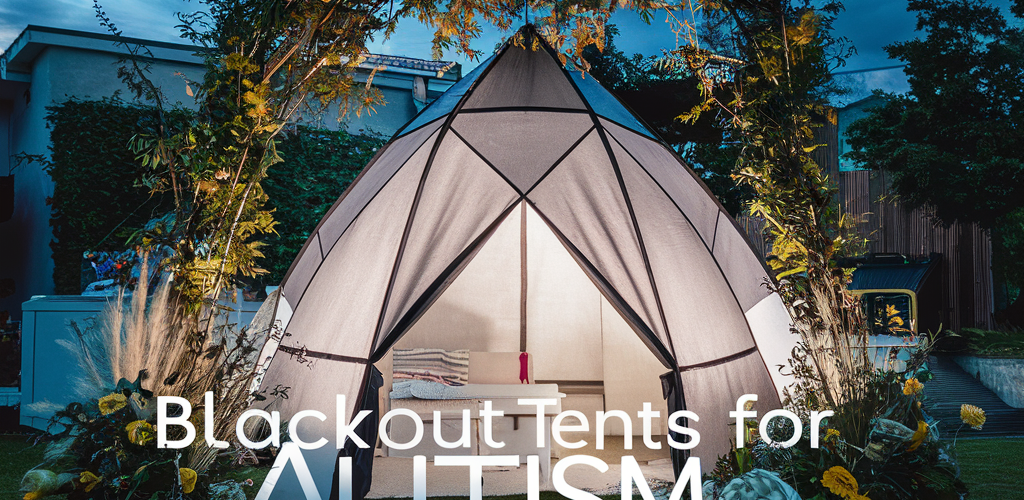
For many autistic kids, the world is too bright, too loud, and too busy. A sensory tent (sometimes called a blackout or calm-down tent) gives them a small, dark, predictable space to retreat to when it gets to be too much. I’m Dror, and my son Saar is autistic. This guide covers what these tents can and can’t do, how to use one safely, and a few tents worth considering.
Safety first: blackout tents are made to block light, which also means they can trap heat and limit airflow. Manufacturers warn of a suffocation hazard. Always supervise, keep a mesh window or vent open, and check that your child doesn’t get too hot.
A sensory tent is a daytime calm-down space, not a bed. Don’t let a child sleep in a closed blackout tent overnight, and don’t use one with babies or toddlers.
What Is a Sensory Tent?
A sensory tent is a small, usually pop-up enclosure made from fabric with a blackout coating. Inside it’s dim and visually quiet. Most fit one child, and some are big enough for a parent to sit with them. They don’t soundproof (fabric can’t do that), but being in a small enclosed space often feels calmer than an open, busy room.
How a Sensory Tent Can Help
- A predictable retreat: a place your child knows they can go when they feel overwhelmed, before a meltdown starts.
- Less visual input: dim light and plain walls cut down on what the brain has to process.
- A sense of control: your child chooses when to go in and when to come out.
- Portable calm: pop-up tents fold flat, so the same safe space can come to grandma’s house or a hotel room.
There’s very little formal research on sensory tents specifically. They’re one of many “calm corner” tools that families and occupational therapists use. Whether it helps depends on your child, so watch how they respond.
What to Look For
- Ventilation: mesh windows, an air vent, or a fan port. This matters more than how dark it gets.
- Safety certification: CPC (Children’s Product Certificate) means the tent was tested to US children’s product safety rules.
- Size: small (about 35 in) fits one younger child; large (about 47 in) fits an older child or a parent too.
- Easy exit: a wide door your child can open from the inside without help.
- Smell: new coated fabric often smells. Air it out for a few days before use, especially for kids sensitive to smells.
Sensory Tents Worth Considering
How I chose these: I don’t sell these products and haven’t tested them all myself. I prioritized ventilation, safety certification, and easy exit. Read the manufacturer’s age and safety guidance before buying.
Disclosure: as an Amazon Associate I earn from qualifying purchases, at no extra cost to you.
1. lukidoki CPC-Certified Sensory Tent: best overall
Sizes: small (about 33 in), medium (39 in), and large (47 in) pop-up cubes. Features: blackout-coated fabric, mesh windows.
Why it fits: CPC certified, comes in three sizes so you can match your child’s age, and the mesh windows let air in.
Keep in mind: pop-up tents can be tricky to fold back down the first few times; it can get warm with the windows closed.
2. knocloc CPC-Certified Blackout Tent: best ventilation
Size: about 45×39×45 in. Features: blackout fabric, air vent, and a port for a small fan.
Why it fits: the fan port is a real plus for kids who run hot or like to stay in for a while. The poles are on the outside, away from little hands.
Keep in mind: reviewers mention a strong chemical smell at first; air it out well.
3. OUTREE Starry Night Sensory Tent: for kids who don’t like total darkness
Size: about 47 in cube. Features: dark interior, two-layer window (mesh plus solid flap).
Why it fits: some kids find full blackout scary. This one is dim rather than pitch black, and the window can be opened for air and light.
Keep in mind: some buyers report zipper issues and a plastic smell.
4. AIR FORT: a breathable alternative
Type: a large fabric fort that inflates with an ordinary box fan. Features: fresh air flows through it the whole time it’s up.
Why it fits: not a blackout tent, but a big, cozy hideout with constant airflow. Good for older kids, siblings, or kids who don’t tolerate heat.
Keep in mind: needs a fan running (some kids won’t like the noise), and it takes up a lot of floor space.
How to Introduce a Sensory Tent
- Let them explore it first with the door open and you nearby. Never push a child inside or zip them in.
- Make it inviting: a soft cushion, a favorite blanket, noise-cancelling headphones, a dim battery light.
- Keep it in the same place so it becomes part of a predictable routine.
- Teach it as a choice, not a time-out. It should never be used as punishment.
- Stay within sight and hearing, keep a window or vent open, and check on temperature.
Frequently Asked Questions
Can my child sleep in a blackout tent?
I don’t recommend it. Closed blackout tents limit airflow and can get hot, and manufacturers warn of a suffocation risk. If darkness helps your child sleep, blackout curtains for the room are a safer option.
Can I leave my child alone in the tent?
Manufacturers say adult supervision is required. Many kids want privacy inside, which is fine: you can stay nearby in the same room without hovering.
Do sensory tents block sound?
Not really. Fabric muffles a little, but for noise, pair the tent with noise-cancelling headphones or ear defenders.
Are sensory tents good for autistic adults?
Some adults use larger tents as a quiet retreat. The same rules apply: keep it ventilated and don’t sleep in it closed.
Related Guides
- DIY Sensory Room Guide
- Sensory Swings for Autistic Kids
- Best Headphones for Autistic Teens
- Weighted Blankets for Autism: Honest Guide
This guide is for general information and does not replace advice from your child’s doctor or occupational therapist.
Last updated: October 2026
Discover more from Living with Autism
Subscribe to get the latest posts sent to your email.



4 Responses
[…] Structured sensory play can significantly improve attention span. It can also reduce anxiety and create positive associations with learning in autistic children. These benefits make sensory toys an invaluable addition to any home therapy toolkit. For more insights on creating supportive environments, check out our guide on autism-friendly home spaces at 101autism.com. […]
[…] Blackout Tents for Autism: Why They’re a Game-Changer for Sensory Needs […]
[…] sensory tent or canopy: an instant low-stimulation hideaway (see our sensory tent guide). See on Amazon […]
[…] Blackout Tents for Autism: Why They’re a Game-Changer for Sensory Needs […]