The Real Cost of Adult Autism Assessment in 2026: A Financial Guide
By Dror Arbel | Founder, 101Autism.com
One of the most frequent questions I receive at 101Autism is: “How much is this actually going to cost me?”
The financial barrier to a formal diagnosis is real, especially for adults. In 2026, the landscape is shifting with more telehealth options. However, the “Gold Standard” evaluations, like the ADOS-2, still carry a significant price tag. Understanding these costs is the first step. It helps overcome what we call the Autism Tax—the cumulative financial and emotional drain of living in a world not built for neurodivergence.
1. The Direct Costs: Private vs. Public
Private Evaluations
In the United States, a private adult autism assessment typically costs between $1,500 and $4,500.
- Why the range? Completing a full battery of tests includes IQ, executive function, and the ADOS-2. This process takes 6–10 hours of a clinician’s time. It also includes report writing.
- Telehealth: In 2026, specialized telehealth clinics are offering screenings. The starting price is $800. However, these may not always be accepted for disability accommodations. They might also be declined for high-level support services.
Public & University Clinics
University psychology departments often offer “Sliding Scale” fees based on income.
- Cost: $300 – $1,200.
- The Catch: Waitlists can stretch from 6 months to 2 years.
2. Financial Assistance and State Programs
While the costs are high, there is a growing movement to provide state-level support. If you are seeking financial assistance for autism education and services in Utah, you can find specific scholarship programs. You can also find grant programs. These programs are designed to offset these costs.
- Case Study: Learn more about Utah’s financial assistance programs here. Even if you aren’t in Utah, this guide serves as a template. It helps you identify the types of grants. Look for grants like the Carson Smith Scholarship in your own state.
3. The “Autism Tax”: Understanding Hidden Costs
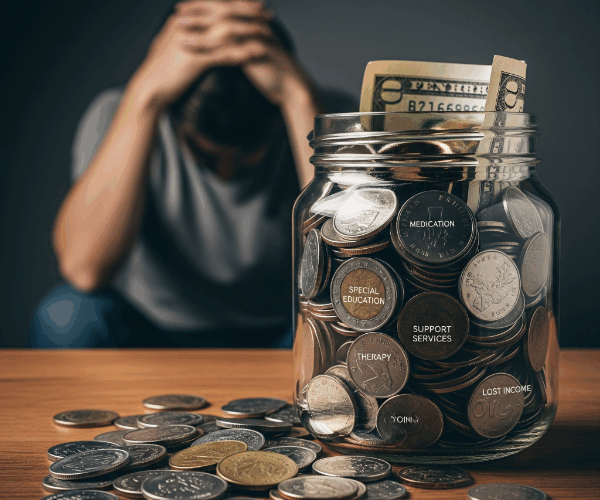
The assessment fee is just the “entry price.” At 101Autism, we talk extensively about the “Autism Tax.” These are the hidden costs. They start the moment you suspect you might be neurodivergent.
Budget for these often-overlooked expenses:
- The Diagnostic “Rabbit Hole”: Many adults spend hundreds on unvalidated online tests before seeking a professional.
- Missed Work: Most assessments require 2–3 separate appointments during business hours.
- Travel & Sensory Recovery: If you are traveling to a specialist, the sensory “hangover” after a 4-hour test is real. Many adults find they need a quiet hotel room or home delivery for meals immediately following.
- Expert Tip: Use Amazon Fresh to skip the grocery store stress during your assessment week.
Explore the full breakdown of the “Autism Tax” here.
4. Will Insurance Cover It?
Most insurance companies cover assessment if it is “Medically Necessary.” However, many providers are “Out-of-Network.”
- Pro-Tip: Ask your provider for a Superbill. You pay upfront, and your insurance may reimburse 50%–80% of the cost.
- The “CPT Code” Secret: When calling your insurance, ask specifically about coverage for CPT Code 96130 (Psychological Testing Evaluation Services).
5. How to Prepare (And Save Money)
The best way to lower your costs is to arrive prepared. If a clinician spends two extra hours interviewing you, you will be charged for that time. This additional time is a result of not having your history organized.
Use the 101Autism Pre-Assessment Checklist
I created this tool specifically to help you walk into your appointment with every piece of evidence ready. It reduces the clinician’s “discovery” time and ensures you don’t forget critical traits.
6. Sensory Regulation During the Process
The stress of the financial cost and the intensity of the testing can trigger sensory overload. I recommend investing in one high-quality tool to help you stay regulated during the weeks of your evaluation.
- Top Recommendation: Sony WH-1000XM5 Noise Canceling Headphones. They are an investment. For many, they are the difference between a successful assessment journey and a total sensory meltdown.
Frequently Asked Questions
Q: How much does a private autism assessment cost in 2026?
A: Prices typically range from $1,500 to $4,500 depending on the complexity of the tests and the clinician’s location.
Q: Can I get an autism assessment for free?
A: While rare for adults, university clinics often offer sliding-scale fees based on income. Some state vocational rehabilitation programs may also cover the cost if it impacts your employment.
Q: Does insurance cover the ADOS-2?
A: Many insurance providers cover it as a medically necessary diagnostic tool. Always ask for a Superbill if your provider is out-of-network.
Summary from Dror: Don’t let the sticker shock stop you. Start with the free tools. Look for university clinics. Use our checklist to make every dollar of your assessment count.
Ready for more? Explore our SRS-2 Scoring Guide or take our Official Autism Quiz.
Discover more from Living with Autism
Subscribe to get the latest posts sent to your email.