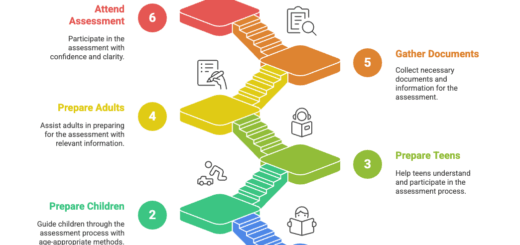
The 2025 Autism Test Comparison: Pros, Cons & How to Choose the Right Assessment
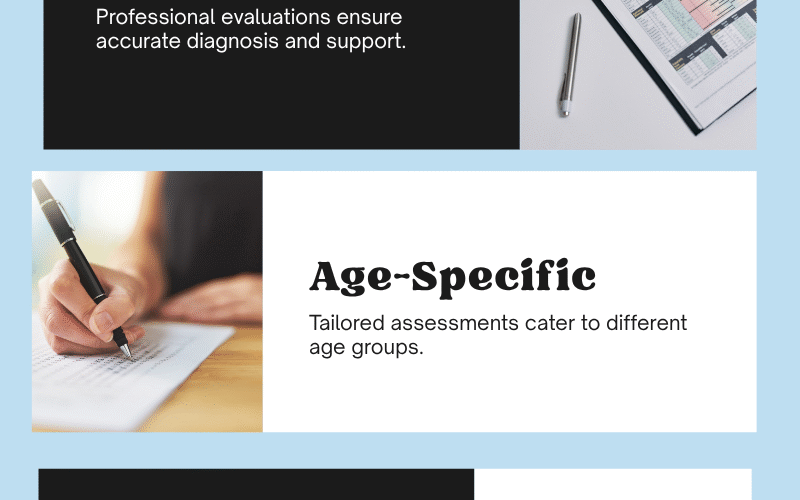
Struggling to understand which autism test is best for you or your loved one? In 2025, the landscape of autism assessment is richer—and more confusing—than ever. This guide breaks down the major autism tests, their pros and cons, and helps you pick the right fit with an easy flowchart.
Table of Contents
Overview of Major Autism Tests in 2025
Below are the most commonly used autism assessments for adults, children, and teens. For full guides, see our in-depth articles linked below.
Pros and Cons of Major Autism Tests
| Test | Pros | Cons | More Info |
|---|---|---|---|
| ADOS-2 |
|
| ADOS Test Guide |
| AQ Test |
|
| AQ Test Guide |
| CARS |
|
| CARS Test Guide |
| M-CHAT |
|
| M-CHAT Guide |
| ASRS |
|
| ASRS Test Guide |
| ADI-R |
|
| ADI-R Guide |
| Online Self-Tests |
|
| Autism Self-Test |
Which Autism Test Should You Choose? (Flowchart)
Use this quick decision tree to find the best starting point for autism assessment in 2025:
- Are you seeking a formal, clinical diagnosis?
- Yes:
- No:
- Do you want to screen yourself or someone else?
→ Try the AQ Test (teens/adults), Online Self-Tests (various ages), or the M-CHAT (toddlers).
- Do you want to screen yourself or someone else?
FAQs about Autism Testing in 2025
Can online tests diagnose autism?
No, online tests cannot provide a clinical diagnosis. They’re useful for initial screening and self-awareness, but a formal diagnosis requires professional assessment using standardized tools like ADOS-2 or ADI-R.
What’s the best autism test for adults?
For formal diagnosis, ADOS-2 (Module 4) is considered the gold standard. For initial screening, the AQ (Autism Quotient) is widely used and accessible online.
How accurate are autism tests?
Accuracy varies by test. Clinical assessments like ADOS-2 have high sensitivity and specificity when administered by trained professionals. Screening tools are designed to cast a wider net and may produce false positives.
How much does autism testing cost?
Costs vary widely. Online screening tools are often free. Professional evaluations can range from $1,500 to $5,000, depending on the comprehensiveness and your location. Insurance coverage varies.
Best Headphones for Teens with Autism (2025): A Parent’s Honest Guide
If your autistic teen is struggling with sensory overload, noise sensitivity, or meltdowns triggered by everyday sounds, you’re not alone. The right pair of headphones can genuinely change daily life. This guide breaks down exactly what to look for. It also explains which products work best for teens specifically. Additionally, it covers how to introduce…
Understanding the Process: What Happens After a Referral for an Autism Evaluation

Navigate the path with ease: learn what to expect after receiving a referral for an autism evaluation
Your Guide to the World of Autism Conferences in 2026: Finding Your Community and Your “Why”
Introduction: Welcome to the Conversation Hello, and welcome. As both an educator and a parent to a wonderful autistic adult, I know this world well. Stepping into the world of autism can feel like learning a new language in a new country all at once. I remember my first conference well—the mix of hope and…
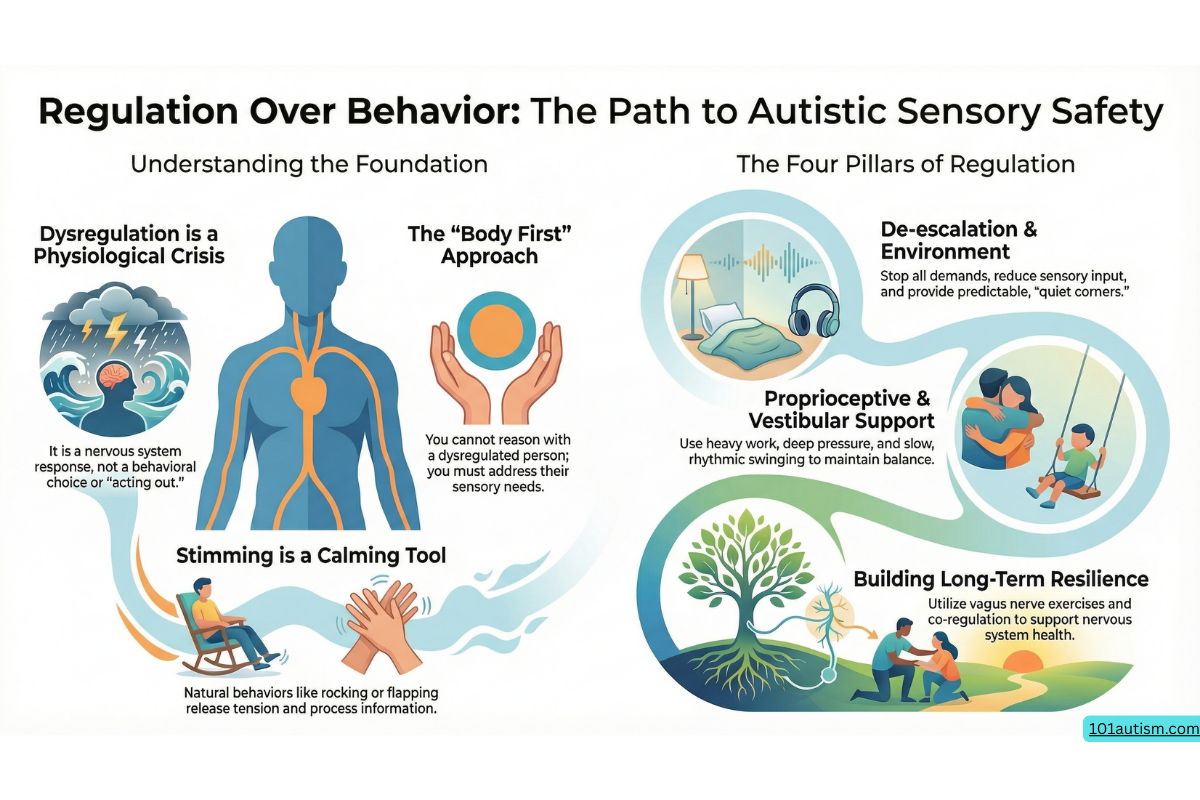
What Calms Autistic People? The Ultimate Guide to Regulation Strategies
TL;DR: The Foundations of Autistic Sensory Regulation • The Core Shift: You must stop trying to “manage behavior” and start regulating the nervous system. True calm comes from feeling safe and sensory balance. • Dysregulation vs. Behavior: What looks like “acting out” is often a physiological “fight, flight, or freeze” response to sensory overload. You…
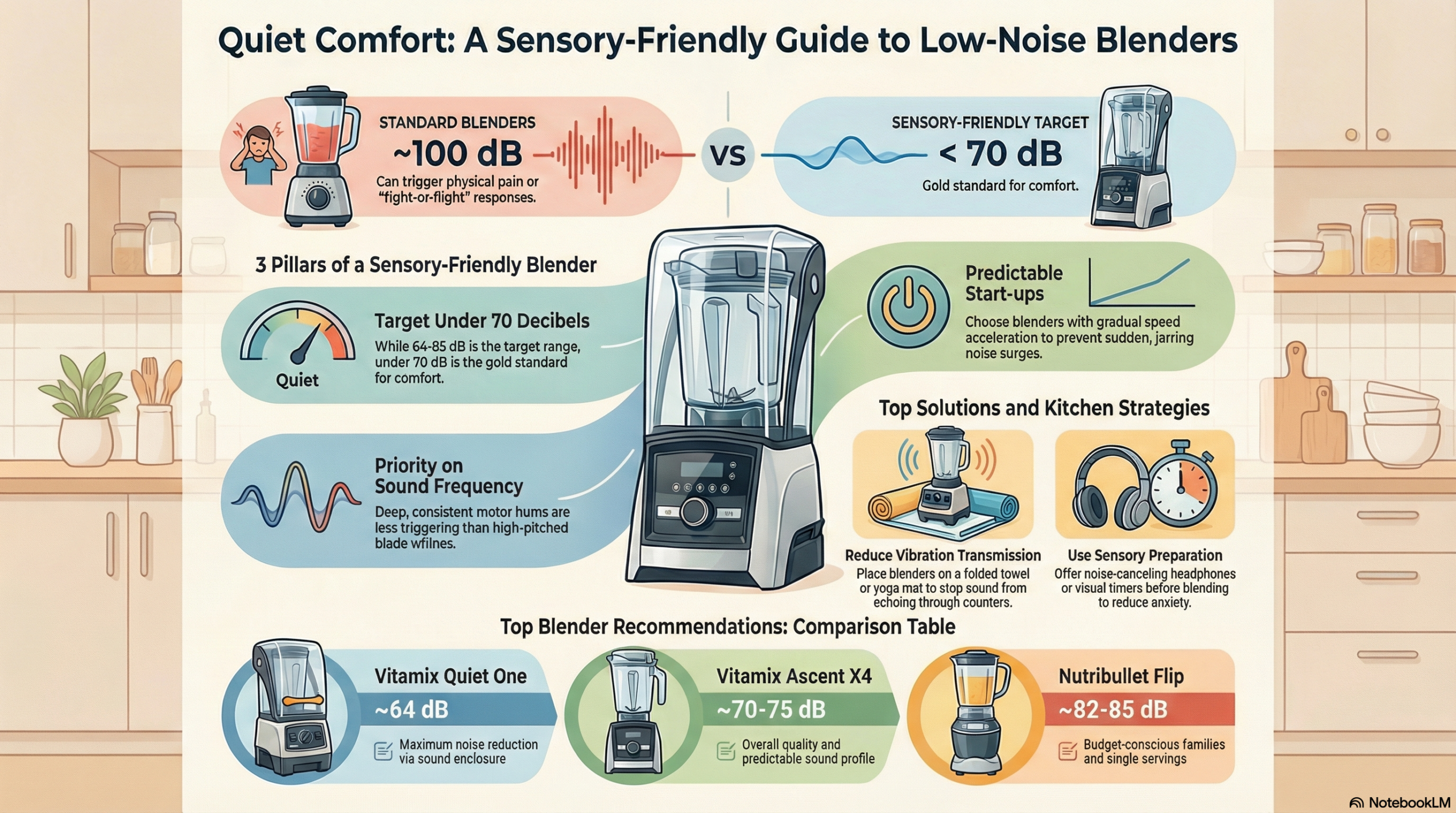
5 Best Low-Noise Blenders for Sensory-Sensitive Homes: The Autism Parent’s Complete Buying Guide
Why Blender Noise Is More Than Just an Annoyance in Autism Households If you’ve seen your child cover their ears, you might already understand. They retreat from the kitchen the moment you reach for the blender. This is something neurotypical families might not understand. Appliance noise isn’t just loud. It can be genuinely painful and…
Inclusive Love: Autism-Friendly Ways to Celebrate Valentine’s Day 2026
Valentine’s Day 2026 is just around the corner. It falls on Saturday, February 14th. This is a perfect opportunity for weekend celebrations filled with love, connection, and understanding. For many in the autism community, traditional Valentine’s festivities can feel overwhelming. Sensory sensitivities, social expectations, or the pressure of romantic norms contribute to this feeling. But…
Guide to Nutrition for Autism: Manage GI & ASD Symptoms
TL;DR: Clinical Strategy at a Glance This comprehensive guide to nutrition for autism provides evidence-based strategies to help parents and caregivers manage gastrointestinal symptoms and improve behavioral outcomes in children with autism spectrum disorder (ASD). Understanding the critical connection between gut health and autism symptoms is essential for developing an effective nutritional approach tailored to…
Guide to Tracking Autistic Triggers – Cracking the Code: A Surprising Guide to Tracking Autistic Triggers
The Invisible Map of Autistic Experience In the field of behavioral health information architecture, we view “challenging behaviors” not as acts of defiance, but as critical data points in a complex communication system. When an autistic individual reaches a state of escalation, it is a signal that the environmental and neurological variables have exceeded their…
FRAT Test Autism: Complete Guide to Folate Receptor Autoantibody Testing
TL;DR (Too Long; Didn’t Read) The Folate Receptor Autoantibody Test (FRAT) is a blood test. It measures autoantibodies directed against folate-receptor alpha (FRα). These autoantibodies can interfere with the transport of folate (vitamin B9) into the brain. Several studies have reported the presence of folate-receptor autoantibodies (FRAs). Notably, research by Ramaekers, Frye, and Quadros highlights…
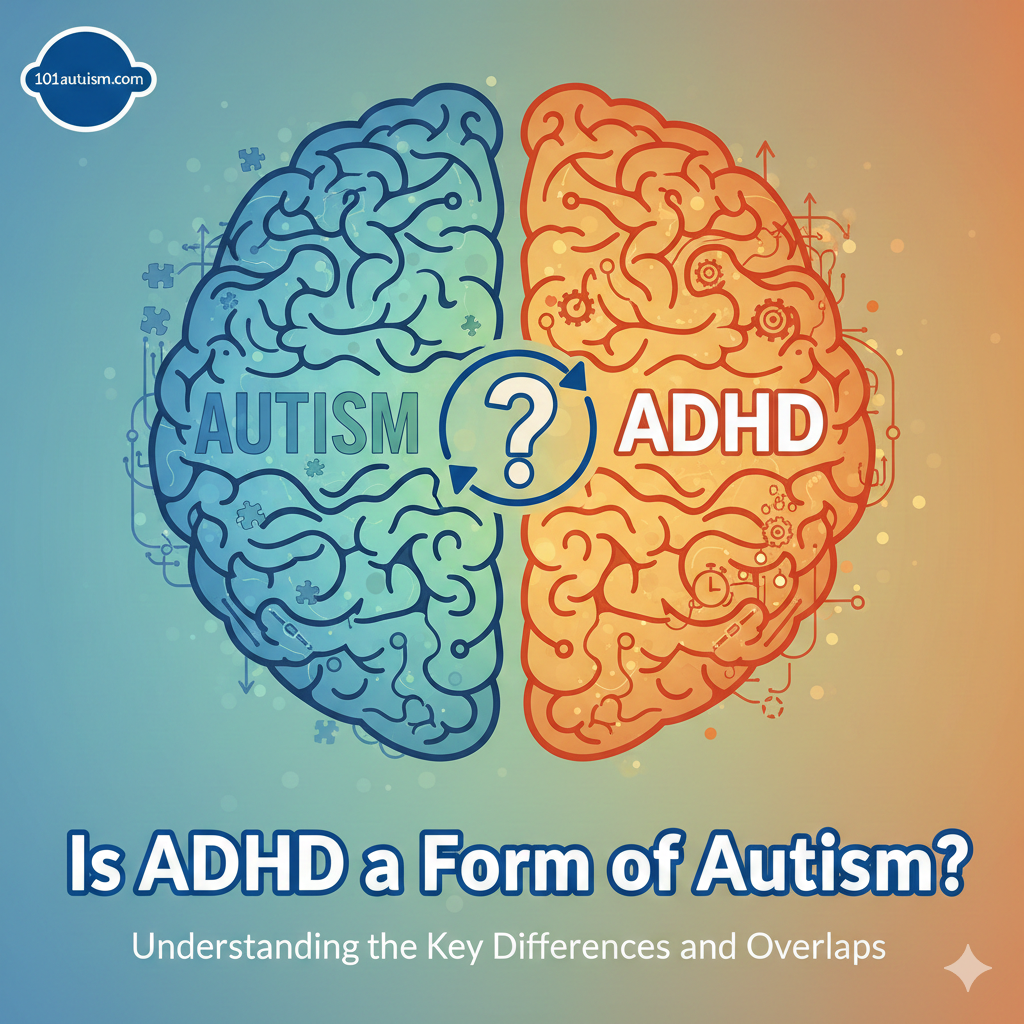
Is ADHD a Form of Autism? Understanding the Key Differences and Overlaps
TL;DR ADHD and autism are NOT the same condition. They are two distinct neurodevelopmental disorders with different diagnostic criteria, though they frequently co-occur and share some overlapping symptoms. ADHD primarily affects attention, impulse control, and hyperactivity, while autism centers on social communication challenges and restricted/repetitive behaviors. Research shows that 30-80% of autistic individuals also have…

Discover more from Living with Autism
Subscribe to get the latest posts sent to your email.